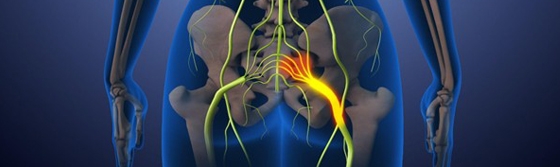
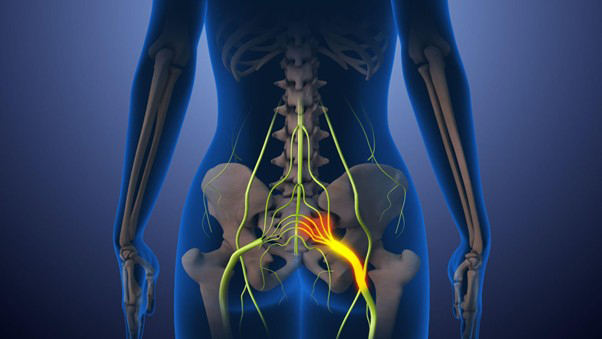
The sharp, electric jolt of sciatica can turn a simple morning walk into an agonizing ordeal. When a herniated disc, bone spur, or spinal instability compresses the sciatic nerve, pain may radiate from the lower back into the buttocks and down the leg. For many patients, the discomfort is persistent and doesn’t improve with rest. Understanding how sciatica develops and when advanced treatment is necessary is essential to restoring mobility and long-term comfort.
What Causes Sciatica? Understanding Lumbar Nerve Compression
Sciatica is not a diagnosis itself but a symptom of an underlying lumbar spine condition. The hallmark of true sciatica is lumbar radiculopathy, which occurs when a nerve root in the lower back becomes compressed or inflamed. The most common cause is a lumbar herniated disc, where disc material presses directly against the nerve. Other structural problems, including spinal stenosis, degenerative disc disease, bone spurs, or spondylolisthesis, can also narrow the space around the nerve and trigger symptoms.
Patients often describe shooting or burning pain that travels down one leg, sometimes accompanied by numbness, tingling, or muscle weakness. Unlike a simple lower back strain, sciatica follows a distinct nerve pathway. Advanced imaging, such as MRI, helps identify the exact source of compression so treatment can be precisely targeted.
Non-Surgical Treatment Options for Sciatica Pain Relief
In most cases, treatment begins conservatively. Many episodes of sciatica improve within several weeks using a combination of physical therapy, anti-inflammatory medication, and guided activity modification. Physical therapy focuses on strengthening the core, improving posture, and reducing mechanical stress on the spine. Anti-inflammatory medications help decrease swelling around the irritated nerve root.
For patients with persistent inflammation, epidural steroid injections can provide targeted relief by delivering medication directly around the compressed nerve. These treatments aim to calm inflammation and give the body an opportunity to heal without surgery. However, when symptoms fail to improve after six to twelve weeks, or when neurological deficits begin to appear, further evaluation becomes critical.
When Is Spine Surgery Recommended for Sciatica?
Surgical intervention is considered when conservative care no longer provides relief or when nerve compression leads to progressive weakness. Symptoms such as foot drop, worsening leg weakness, or loss of bowel or bladder control require urgent medical attention. Persistent mechanical compression can cause permanent nerve damage if not addressed in a timely manner.
Procedures such as microdiscectomy or decompression surgery are designed to remove the structural source of pressure on the sciatic nerve. By relieving compression, surgery can significantly reduce leg pain and restore neurological function.
The Benefits of Minimally Invasive and Robotic Spine Surgery
Modern spine surgery has evolved dramatically over the past decade. Minimally invasive techniques now allow surgeons to access the spine through smaller incisions while preserving surrounding muscle tissue. Robotic-assisted spine surgery further enhances precision by using 3D imaging and guided instrumentation to optimize accuracy during decompression or stabilization procedures.
Greater precision often translates into less tissue trauma, reduced blood loss, and faster recovery times. Many patients are able to return home the same day or after a short hospital stay.
A Modern Path to Lasting Sciatica Relief
Today’s approach to sciatica focuses on identifying and correcting the root cause of nerve compression rather than simply masking symptoms. With accurate diagnosis, personalized treatment planning, and advanced surgical options when necessary, patients can break the cycle of chronic inflammation and nerve irritation.
Frequently Asked Questions About Sciatica
How do I know if my pain is truly sciatica?
True sciatica typically causes sharp, burning, or shooting pain that radiates from the lower back down one leg, often below the knee. It may also be accompanied by numbness, tingling, or muscle weakness. Unlike general back pain, sciatica follows a specific nerve pathway.
Will sciatica go away on its own?
Many cases improve within a few weeks with rest, physical therapy, and anti-inflammatory treatment. However, if symptoms persist beyond six weeks, worsen, or include weakness, further evaluation is recommended.
What is the most common cause of sciatica?
The most common cause is a lumbar herniated disc pressing on a nerve root. Other causes include spinal stenosis, bone spurs, degenerative disc disease, or spondylolisthesis that narrows the nerve space in the lower spine.
When should I consider surgery for sciatica?
Surgery may be recommended if conservative treatments fail after 6–12 weeks or if there are signs of progressive nerve damage, such as worsening weakness, foot drop, or loss of bowel or bladder control. These symptoms require urgent medical attention.
What is a microdiscectomy?
A Microdiscectomy is a minimally invasive surgical procedure that removes the portion of a herniated disc pressing on the nerve. It is commonly performed to relieve leg pain caused by lumbar radiculopathy.
Is minimally invasive spine surgery safer?
Minimally invasive techniques use smaller incisions and specialized instruments to reduce muscle disruption. This often results in less postoperative pain, reduced blood loss, and a quicker recovery compared to traditional open surgery.
What is robotic-assisted spine surgery?
Robotic-assisted systems use advanced 3D imaging and navigation technology to help surgeons plan and execute procedures with greater precision. The surgeon remains in full control, while the robotic guidance enhances accuracy in decompression or spinal stabilization.
How long is the recovery after sciatica surgery?
Recovery varies by procedure and individual health, but many patients experience rapid leg pain relief. Light activities may resume within a few weeks, while full recovery and return to strenuous activity may take several months.
Hear From Our Patients
Selecting the right orthopedic provider is an important and individualized choice, and learning from patients who have experienced similar challenges can provide reassurance and perspective. To gain insight into our personalized, patient-focused approach to care, we invite you to read our patient testimonials.
Reference Links:
AUTHOR: Payam Moazzaz, MD – Board-Certified & Fellowship-Trained Orthopedic Spine Surgeon
Payam Moazzaz, MD is a board-certified and fellowship-trained orthopedic spine surgeon specializing in the diagnosis and treatment of complex spine disorders. With over a decade of experience, he provides comprehensive care for conditions including spinal cord tumors, spinal infections, spinal deformities, spinal instability, sciatica, and degenerative spine disease. Practicing in San Diego, Dr. Moazzaz is dedicated to restoring mobility, reducing pain, and helping patients return to active, fulfilling lives.
Credentials & Leadership
Dr. Moazzaz is recognized as an industry leader in robotic spine surgery in California. He was among the first physicians in the United States to perform robotic spine surgery and has completed more robotic spinal procedures than any other surgeon in San Diego and throughout California. He has performed hundreds of robotic spine surgeries with excellent patient outcomes and regularly hosts visiting surgeons from across the United States and internationally to teach advanced robotic techniques.
Clinical Expertise
Dr. Moazzaz specializes in minimally invasive and robotic-assisted spine surgery, including spinal fusion, scoliosis correction, discectomy, laminectomy, spinal trauma surgery, and procedures addressing complex spinal instability. Using advanced 3D imaging and robotic guidance systems, he performs surgery through small incisions with enhanced precision, reduced tissue disruption, and optimized implant placement.
In addition to surgical care, Dr. Moazzaz offers a full spectrum of noninvasive and nonsurgical treatment options, including medication management, physical therapy, injections, and other specialty procedures. When conservative therapies are not effective, he carefully guides patients through advanced surgical options with a focus on safety, precision, and faster recovery.
Dr. Moazzaz’s philosophy centers on individualized treatment planning, patient education, and compassionate care. His goal is not only to relieve pain but to restore function and empower patients to resume work, recreation, and daily activities with confidence.
Medical Disclaimer: This information is for educational purposes only and does not constitute medical advice. For diagnosis and treatment recommendations, please consult with Dr. Moazzaz or another qualified spine specialist.
Content authored by Dr. Payam Moazzaz and verified against official sources.