You have iced it, stretched it, and maybe even blamed it on an old running injury, but the sharp, burning pain shooting down your leg just will not go away. Here is something that surprises a lot of patients: the source of that pain may not be in your leg at all. It often starts in the spine, and understanding that connection is the first step toward real relief.
The Nerve Highway Running Through Your Spine
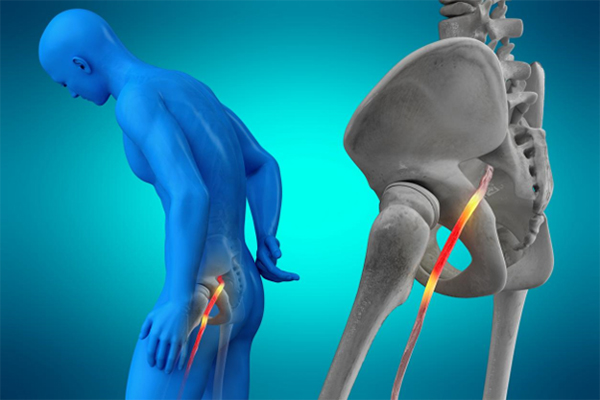
Your spine is not just a stack of bones supporting your posture. It is also the central highway for the nerves that control sensation and movement throughout your entire body. The lumbar spine, or lower back, is where the sciatic nerve originates, formed by nerve roots that exit the spinal column and travel down through the hip, buttock, and leg, all the way to the foot.
When something in the lower spine irritates, compresses, or inflames one of those nerve roots, the pain does not necessarily stay put. Instead, it radiates along the path of the nerve itself, which is why a problem at the L4 or L5 vertebra can show up as pain, tingling, or numbness far away in the calf or toes. This referred pain pattern is exactly what most people mean when they describe sciatica.
Common Spine Conditions Behind Leg Pain
Several distinct spine conditions can trigger this kind of nerve irritation, and they do not all behave the same way.
A herniated or bulging disc is one of the most frequent culprits. When the soft cushioning material between vertebrae pushes outward, it can press directly on a nearby nerve root. Spinal stenosis, a narrowing of the spinal canal often related to age-related changes, can gradually squeeze the space nerves need to function properly. Degenerative disc disease can also contribute, as discs lose height and hydration over time, sometimes altering the alignment of the vertebrae above and below.
Less commonly, dysfunction in the sacroiliac joint, where the spine connects to the pelvis, can mimic sciatica symptoms even though the sciatic nerve itself is not directly involved. This is one reason an accurate diagnosis matters so much. Treating the wrong structure rarely resolves the pain.
Why Neck Problems Can Cause Arm Symptoms Too
It is not only the lower back that refers pain elsewhere. The cervical spine has its own network of nerve roots that travel down through the shoulder and into the arm and hand. A herniated cervical disc or narrowing at the neck can produce burning, tingling, or weakness that patients often assume is a separate arm or wrist issue, when the actual source is several inches away.
This pattern reinforces a broader point: pain location does not always equal pain origin. A thorough evaluation of the entire spine, not just the area where discomfort is felt, is often necessary to identify the true source.
Getting an Accurate Diagnosis for Your Leg Pain
Because so many different structures can produce similar symptoms, diagnosis typically starts with a detailed history and physical exam, looking closely at reflexes, strength, and the specific pattern of numbness or pain. Imaging, such as an MRI, may be required to visualize the discs, nerve roots, and any areas of compression or degeneration.
Treatment Usually Starts Conservative
The reassuring news is that most cases of spine-related leg or arm pain improve without surgery. Physical therapy aimed at relieving nerve pressure, anti-inflammatory treatment, targeted injections, and activity modification resolve symptoms for a large percentage of patients. Anyone exploring these routes can review Alternatives to Back Surgery to understand the full range of non-surgical options typically tried first.
When conservative measures do not provide enough relief, or when there are signs of significant nerve compression, more targeted spine procedures may be considered. Depending on the underlying cause, this could include minimally invasive decompression, robotic spine surgery for precise correction of structural issues, cervical disc replacement for certain neck-related nerve compression, or the iFuse Implant System in cases where sacroiliac joint dysfunction is the true source of referred leg pain.
Frequently Asked Questions
Can a pinched nerve in the back cause pain all the way down to my foot?
Yes. Nerve roots in the lower spine travel down through the leg, so irritation or compression at the source can cause pain, tingling, or numbness that radiates all the way to the calf or foot, even though the spine itself may feel fine.
How do I know if my leg pain is from my spine or a muscle injury?
Spine-related leg pain often follows a specific nerve pathway, may include numbness or tingling, and can worsen with sitting, bending, or coughing. A muscle strain typically stays localized to one area and improves with rest. A physical exam and imaging can confirm the source.
Does sciatica always require surgery?
No. The majority of sciatica cases improve with conservative treatments like physical therapy, anti-inflammatory medication, and activity changes within several weeks to a few months. Surgery is generally reserved for persistent symptoms or significant nerve compression.
Can neck problems cause hand numbness?
Yes. A herniated disc or nerve compression in the cervical spine can send pain, tingling, or weakness down the arm into the hand, a pattern often mistaken for a wrist or hand-specific condition like carpal tunnel syndrome.
When should I see a spine specialist for leg or arm pain?
It is worth scheduling an evaluation if pain persists beyond a few weeks, is accompanied by numbness or weakness, worsens progressively, or interferes with daily activities, since early diagnosis often leads to simpler, more effective treatment.
Leg and arm pain with a spinal origin can be confusing to sort out on your own, but you do not have to guess where it is coming from. If nerve-related pain has been affecting your daily life, scheduling an evaluation with a spine specialist can help pinpoint the cause and map out the most appropriate path toward relief.
Reference Links:
AUTHOR: Payam Moazzaz, MD – Board-Certified & Fellowship-Trained Orthopedic Spine Surgeon
Payam Moazzaz, MD is a board-certified and fellowship-trained orthopedic spine surgeon specializing in the diagnosis and treatment of complex spine disorders. With over a decade of experience, he provides comprehensive care for conditions including spinal cord tumors, spinal infections, spinal deformities, spinal instability, sciatica, and degenerative spine disease. Practicing in San Diego, Dr. Moazzaz is dedicated to restoring mobility, reducing pain, and helping patients return to active, fulfilling lives.
Credentials & Leadership
Dr. Moazzaz is recognized as an industry leader in robotic spine surgery in California. He was among the first physicians in the United States to perform robotic spine surgery and has completed more robotic spinal procedures than any other surgeon in San Diego and throughout California. He has performed hundreds of robotic spine surgeries with excellent patient outcomes and regularly hosts visiting surgeons from across the United States and internationally to teach advanced robotic techniques.
Clinical Expertise
Dr. Moazzaz specializes in minimally invasive and robotic-assisted spine surgery, including spinal fusion, scoliosis correction, discectomy, laminectomy, spinal trauma surgery, and procedures addressing complex spinal instability. Using advanced 3D imaging and robotic guidance systems, he performs surgery through small incisions with enhanced precision, reduced tissue disruption, and optimized implant placement.
In addition to surgical care, Dr. Moazzaz offers a full spectrum of noninvasive and nonsurgical treatment options, including medication management, physical therapy, injections, and other specialty procedures. When conservative therapies are not effective, he carefully guides patients through advanced surgical options with a focus on safety, precision, and faster recovery.
Dr. Moazzaz’s philosophy centers on individualized treatment planning, patient education, and compassionate care. His goal is not only to relieve pain but to restore function and empower patients to resume work, recreation, and daily activities with confidence.
Medical Disclaimer: This information is for educational purposes only and does not constitute medical advice. For diagnosis and treatment recommendations, please consult with Dr. Moazzaz or another qualified spine specialist.