If debilitating back pain or shooting leg weakness has sidelined you, finding a path back to your active lifestyle is likely your top priority. While many spinal issues resolve with conservative care, sometimes your nerves need a more direct solution to function properly again. Let’s explore the transformative benefits and technical precision of minimally invasive lumbar microdiscectomy for herniated discs.
What is a Herniated Disc and Why Does It Cause Sciatica?
To understand the solution, we must first look at the anatomy of the problem. Your spinal discs act as shock absorbers between your vertebrae. A herniation occurs when the soft, jelly-like center of a disc pushes through a tear in the tougher exterior.
This protrusion doesn't just cause localized back pain; it often presses against sensitive spinal nerves. This pressure leads to sciatica, a sharp, radiating pain, numbness, or tingling that travels down the buttock and into the leg. When non-surgical treatments like physical therapy or epidural injections fail to provide relief, a microdiscectomy becomes the gold standard for restoring nerve function.
The Science of Minimally Invasive Spine Surgery
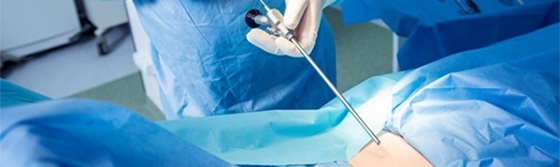
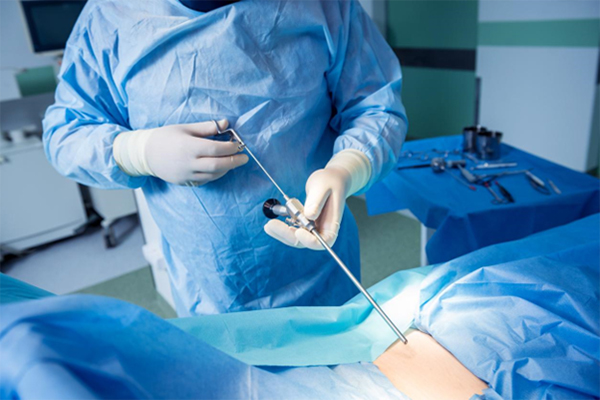
Gone are the days of long hospital stays and large spinal incisions. A minimally invasive lumbar microdiscectomy utilizes advanced surgical tools and high-powered microscopes to achieve the same goals as traditional surgery but with significantly less collateral damage.
During the procedure, a small incision, usually less than an inch, is made and specialized dilators are used to gently move muscle fibers aside rather than cutting through them. This approach offers several clinical advantages:
- Reduced Blood Loss: Smaller incisions naturally minimize intraoperative bleeding.
- Preserved Muscle Integrity: By avoiding large muscle detachments, your natural spinal support remains intact.
- Decreased Infection Risk: Smaller "surgical windows" lower the chance of post-operative complications.
The Microdiscectomy Procedure: Precision Under the Microscope
The "micro" in microdiscectomy refers to the surgical microscope used to visualize the nerve roots. Once the herniated material is identified, only the portion of the disc that is compressing the nerve is removed.
This precision is vital. By removing the mechanical pressure, we allow the nerve to begin its natural healing process. Most patients experience an immediate reduction in leg pain as soon as they wake up from anesthesia, as the physical "pinch" on the nerve has been eliminated.
Recovery and Returning to an Active Life after Lumbar Surgery
Because this is an outpatient procedure, most patients return home the same day. The recovery timeline for a minimally invasive approach is typically faster than traditional open surgery.
- Days 1–7: Focus on light walking and avoiding BLT (Bending, Lifting, or Twisting).
- Weeks 2–6: Gradual introduction of physical therapy to strengthen the core and stabilize the spine.
- Months 3+: Return to high-impact sports or demanding physical activities.
Is Microdiscectomy Right for You?
Surgery is rarely the first step, but when neurological symptoms like leg weakness or loss of sensation persist, it is often the most effective way to prevent permanent nerve damage. Our goal is always nerve preservation and long-term spinal health, ensuring you can return to the activities you love without the shadow of chronic pain.
Post-Op FAQ: Recovering from Your Microdiscectomy
1. When can I start walking?
Immediately. We encourage light walking around your home the same day as surgery. It promotes blood flow, prevents stiffness, and aids the healing process.
2. What are the "BLT" restrictions?
To protect your spine, avoid Bending, Lifting (over 5–10 lbs), or Twisting for the first six weeks. These movements put unnecessary strain on the healing disc.
3. Is it normal to still have some leg pain?
Yes. While the "sharp" nerve pain often vanishes instantly, your nerve may remain "angry" or inflamed for a few weeks as it desensitizes and heals.
4. When can I return to work?
If you have a desk job, you may return within 1–2 weeks. For physically demanding roles involving manual labor, we typically recommend waiting 6–8 weeks.
5. How do I care for my incision?
Keep the site clean and dry. Most patients can shower after 48 hours, but you should avoid soaking in baths, pools, or hot tubs until cleared at your follow-up.
Reference Links:
AUTHOR: Payam Moazzaz, MD – Board-Certified & Fellowship-Trained Orthopedic Spine Surgeon
Payam Moazzaz, MD is a board-certified and fellowship-trained orthopedic spine surgeon specializing in the diagnosis and treatment of complex spine disorders. With over a decade of experience, he provides comprehensive care for conditions including spinal cord tumors, spinal infections, spinal deformities, spinal instability, sciatica, and degenerative spine disease. Practicing in San Diego, Dr. Moazzaz is dedicated to restoring mobility, reducing pain, and helping patients return to active, fulfilling lives.
Credentials & Leadership
Dr. Moazzaz is recognized as an industry leader in robotic spine surgery in California. He was among the first physicians in the United States to perform robotic spine surgery and has completed more robotic spinal procedures than any other surgeon in San Diego and throughout California. He has performed hundreds of robotic spine surgeries with excellent patient outcomes and regularly hosts visiting surgeons from across the United States and internationally to teach advanced robotic techniques.
Clinical Expertise
Dr. Moazzaz specializes in minimally invasive and robotic-assisted spine surgery, including spinal fusion, scoliosis correction, discectomy, laminectomy, spinal trauma surgery, and procedures addressing complex spinal instability. Using advanced 3D imaging and robotic guidance systems, he performs surgery through small incisions with enhanced precision, reduced tissue disruption, and optimized implant placement.
In addition to surgical care, Dr. Moazzaz offers a full spectrum of noninvasive and nonsurgical treatment options, including medication management, physical therapy, injections, and other specialty procedures. When conservative therapies are not effective, he carefully guides patients through advanced surgical options with a focus on safety, precision, and faster recovery.
Dr. Moazzaz’s philosophy centers on individualized treatment planning, patient education, and compassionate care. His goal is not only to relieve pain but to restore function and empower patients to resume work, recreation, and daily activities with confidence.
Medical Disclaimer: This information is for educational purposes only and does not constitute medical advice. For diagnosis and treatment recommendations, please consult with Dr. Moazzaz or another qualified spine specialist.